
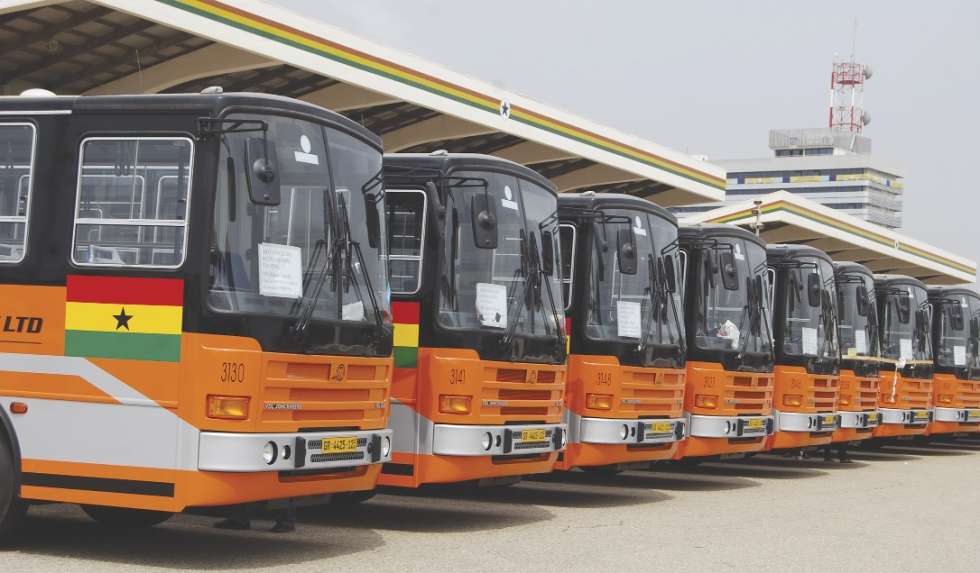
Public transport fares across Ghana have increased by 8 per cent, with the new rates taking effect today, Saturday, September 26, 2026.
The adjustment affects shared taxis, intra-city trotros, inter-city long-distance services and haulage, following an agreement reached between the Ghana Private Road Transport Union (GPRTU), the Ghana Road Transport Coordinating Council (GRTCC) and the Ministry of Transport.
The new fares were agreed after consultations between transport operators and the Ministry of Transport held from September 8 to 22, 2026.
Why transport fares have increased
The GPRTU and GRTCC said the adjustment was based on changes in several operating costs, including petroleum prices, spare parts, vehicle maintenance and other inputs required by commercial transport operators.
According to the Information Services Department, the unions also considered the financial pressures facing drivers and commuters before settling on the 8 per cent adjustment.
The latest increase is lower than the larger adjustment initially proposed by transport operators during the negotiations.
The GPRTU had initially pushed for a significantly higher increase as it sought to respond to rising operational costs. Following discussions with government, however, the parties agreed on the 8 per cent adjustment.
How much will passengers pay?
Under the revised schedule, passengers who previously paid GH¢5 for a trotro journey will now pay GH¢5.50, while a GH¢10 fare increases to GH¢11.
A passenger who previously paid GH¢15 will now pay GH¢16.20, while a GH¢20 fare rises to GH¢21.60.
At the higher end of the published intra-city fare schedule, a fare of GH¢34 increases to GH¢36.80.
The revised rates also cover shared taxis and inter-city services, with the exact fare depending on the route and distance.
Operators directed to display approved fares
The transport unions have directed commercial operators to strictly comply with the approved fares and display the new schedule prominently at loading terminals and stations.
The unions have also warned operators against charging passengers above the approved rates, stating that violations could attract sanctions.
Passengers are therefore encouraged to check the approved fare for their particular route and distance rather than automatically accepting a higher charge.
Government intervention on diesel
The transport unions acknowledged government intervention on diesel prices during the negotiations.
According to the ISD report, the unions said the intervention helped moderate the extent of the eventual fare adjustment.
The agreement follows weeks of discussions over how changes in fuel and other operating costs should be reflected in public transport fares.
What commuters should know
The new fares are effective nationwide from Saturday, September 26, 2026.
For commuters, the practical impact will depend on the route they use and how frequently they travel. Passengers who make several journeys each day will see the cumulative effect of the adjustment in their daily transport expenses.
The revised fare schedule is therefore expected to become an important reference for both passengers and commercial transport operators as the new rates come into force.
MBOS Media will continue to monitor the implementation of the new fares and report developments affecting commuters and transport operators across Ghana.
Source: Ghana Information Services Department (ISD) — Official statement