Blog

  • Accra–Kumasi Highway in Darkness: Urgent Call for Streetlights from Suhum Roundabout to Mile 44 and Beyond

    Accra–Kumasi Highway in Darkness: Urgent Call for Streetlights from Suhum Roundabout to Mile 44 and Beyond

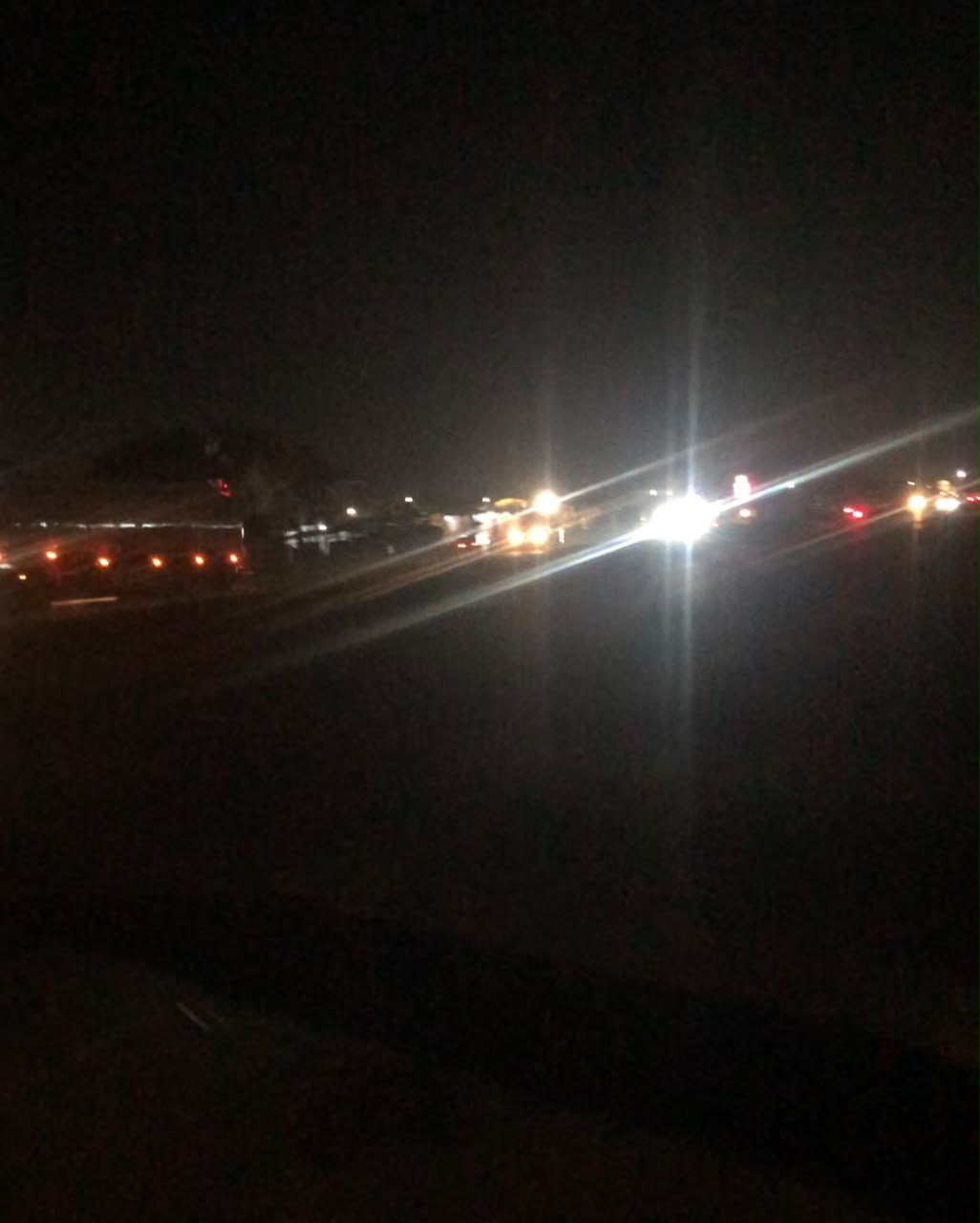
    Sections of the Accra–Kumasi highway, stretching from the Suhum Roundabout to Mile 44 and beyond, remain without adequate street lighting, raising serious concerns about road safety and the risks faced by motorists, passengers and other road users, particularly at night.

    The absence of streetlights along this busy stretch of highway leaves motorists navigating parts of the road in darkness, increasing the difficulty of identifying potential hazards, pedestrians, stationary vehicles and other obstructions, especially when visibility is further reduced by rain or poor weather conditions.

    The Accra–Kumasi highway is a major transport route connecting communities and facilitating the movement of people, goods and commercial vehicles across the country. Given the volume of traffic that uses the road daily, adequate lighting is an important road-safety measure that should not be overlooked.

    For residents of Suhum and motorists who regularly travel this route, the lack of streetlights is a concern that requires urgent attention. Road safety should not depend solely on vehicle headlights, particularly on a major highway where drivers need sufficient visibility to respond safely to changing road conditions.

    MBOS Media is therefore calling on the Ghana Highway Authority and all other relevant public institutions to urgently inspect the affected sections, establish the extent of the lighting problem and take the necessary steps to install streetlights where they are absent and restore any existing lights that are not functioning.

    The Suhum Municipal Assembly and other relevant authorities should also engage with the appropriate road agencies to ensure that the matter receives the attention it deserves. Where immediate installation may require additional planning or resources, temporary safety measures, including improved reflective road markings, warning signs and other visibility-enhancing measures, should be considered while a permanent solution is pursued.

    Authorities responsible for the highway must treat this concern with the urgency it deserves. Waiting for a serious accident before addressing a preventable road-safety problem would be an unacceptable approach to public safety.

    MBOS Media is calling for prompt action, a clear plan for addressing the affected sections and regular maintenance to ensure that installed streetlights remain operational. The safety of motorists, passengers, pedestrians and residents must be a priority.

    The road is an essential national transport corridor, and those who use it deserve safer travelling conditions, both during the day and at night. The relevant authorities must act now to address the darkness along the Suhum–Accra–Kumasi highway, from the Roundabout to Mile 44 and beyond.
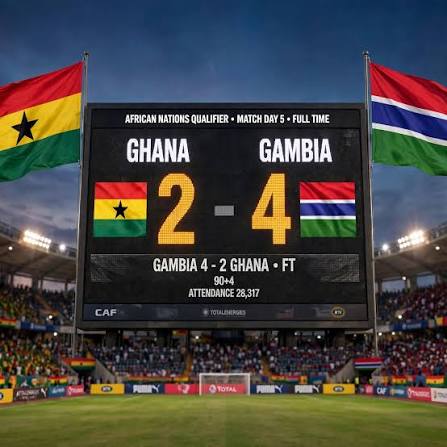
  • Gambia Stage Stunning Comeback to Beat Black Stars 4–2

    Gambia Stage Stunning Comeback to Beat Black Stars 4–2

    Ghana’s hopes of making an immediate recovery in the 2027 Africa Cup of Nations qualifiers suffered another setback on Tuesday after the Black Stars lost 4–2 to The Gambia at the Accra Sports Stadium.

    The defeat means Ghana have now lost their opening two Group C matches, following a 2–0 defeat to Côte d’Ivoire in their first qualifier in Bouaké.

    The Black Stars appeared to be in control after taking a commanding 2–0 lead, but The Gambia produced a strong comeback to turn the game around and leave Accra with all three points.

    Ghana started the match with greater urgency and were rewarded in the 27th minute when Ernest Nuamah converted a penalty to put the Black Stars ahead.

    Six minutes later, Felix Afena-Gyan doubled Ghana’s advantage with a well-taken free-kick, putting the hosts in a strong position at 2–0.

    The Scorpions were awarded a penalty after a foul inside Ghana’s penalty area, and Ebrima Colley converted to reduce the deficit.

    The visitors then found another goal before half-time to level the contest at 2–2.

    The momentum shifted decisively in the second half as The Gambia continued to threaten the Ghanaian defence.

    The Scorpions scored twice more to complete a remarkable comeback and secure a 4–2 victory.

    For Ghana, what looked like a comfortable position after the first half-hour had turned into another disappointing result.

    The defeat leaves Ghana with zero points from their first two Group C matches.

    The Black Stars had entered the game looking to recover from their opening-day loss to Côte d’Ivoire, while The Gambia came into the encounter with three points already secured after beating Somalia 2–1 in their opening match.

    The result gives The Gambia another valuable three points as Ghana now face an uphill task in their bid to qualify for the 2027 AFCON.

    The top two teams in Group C will qualify for the tournament, which will be jointly hosted by Kenya, Uganda and Tanzania.

    Another difficult night for Queiroz

    The result also increases the pressure on Black Stars head coach Carlos Queiroz, whose team has yet to register a point in the qualifying campaign.

    Ghana went into the match with several important players unavailable, while captain Alexander Djiku was also ruled out after suffering an injury during the defeat to Côte d’Ivoire. The Ghana Football Association confirmed that the defender had returned to his club, Spartak Moscow, for further assessment.

    Queiroz had called on his players to improve their ball possession and finishing after the defeat in Côte d’Ivoire.

    However, despite scoring twice, Ghana were unable to protect their advantage and eventually conceded four goals.

    A major setback for Ghana

    The Black Stars will now have to regroup quickly as the qualification campaign continues.

    Having missed the 2025 Africa Cup of Nations in Morocco, Ghana are seeking a return to the continental tournament in 2027.

    But after two matches, the team has two defeats, no points and six goals conceded, leaving little room for further mistakes in the remaining fixtures.

    The 4–2 loss to The Gambia will therefore be a particularly painful result for the Black Stars, who had home advantage and a two-goal lead but were unable to hold on.

  • ISSER: Ghana Loses Over GH¢6.2 Billion a Year to Poor Sanitation

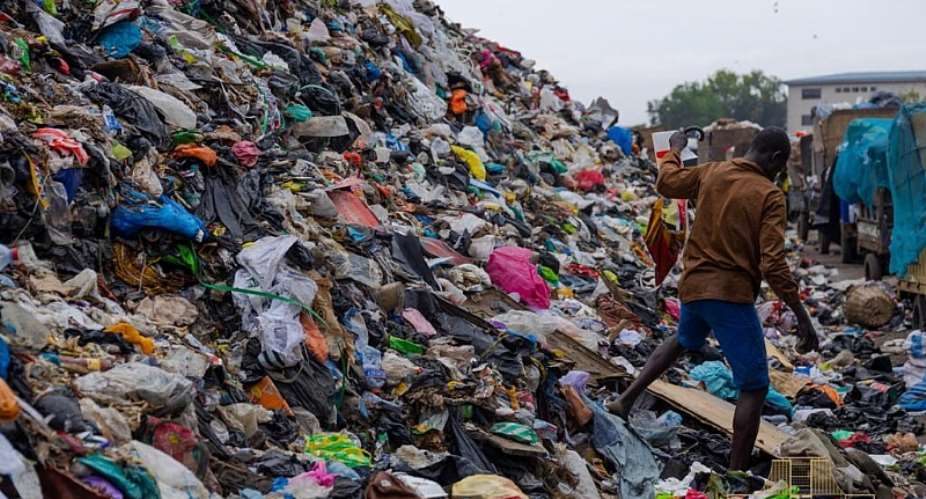
    ISSER: Ghana Loses Over GH¢6.2 Billion a Year to Poor Sanitation

    Ghana is losing more than GH¢6.2 billion every year because of poor waste management and sanitation, according to a study by the Institute of Statistical, Social and Economic Research (ISSER) of the University of Ghana.

    The findings highlight the significant economic cost of inadequate sanitation, with the burden coming largely from healthcare expenses and productivity losses associated with sanitation-related diseases.

    The study indicates that Ghana spends approximately GH¢5.58 billion annually on direct medical costs, while another GH¢650 million is lost through reduced productivity.

    Together, these losses amount to more than GH¢6.2 billion every year.

    Millions of work and school days lost

    The economic impact also extends beyond direct financial costs.

    ISSER estimates that diseases associated with poor sanitation result in about 31.9 million lost work and school days every year.

    The illnesses identified include malaria, cholera and typhoid, among other preventable diseases linked to poor sanitation and inadequate waste management.

    The study also estimates that sanitation-related illnesses contribute to 107,222 premature deaths annually.

    MMDAs spend only GH¢180.2 million

    Despite the scale of the economic losses, the study found that Ghana’s Metropolitan, Municipal and District Assemblies (MMDAs) collectively spend only about GH¢180.2 million on waste management and sanitation.

    This creates a major imbalance between the money being spent to prevent sanitation problems and the much larger cost of dealing with their consequences.

    ISSER argues that sanitation should therefore be viewed not simply as a social or environmental responsibility but as an economic investment capable of generating substantial returns.

    Every GH¢1 invested can generate returns

    The study’s cost-benefit analysis indicates that the economic gains from increased investment in sanitation could be significant.

    Under the current spending situation, every GH¢1 invested in waste management is estimated to generate about GH¢180 in economic benefits.

    Under a more ambitious investment scenario, where spending is increased to approximately GH¢1,028 per tonne of waste, the return could rise to about GH¢556 for every GH¢1 invested.

    The researchers say the potential gains would come from lower healthcare costs, fewer deaths and improved productivity.

    Urban growth putting pressure on sanitation systems

    ISSER also points to rapid urbanisation, population growth and changing consumption patterns as factors contributing to Ghana’s growing waste-management challenge.

    Many local authorities are struggling to keep pace with the increasing volume of solid and liquid waste being generated.

    The consequences, according to the researchers, go beyond overflowing waste sites and unclean surroundings. Poor sanitation also affects public health, productivity and the wider economy.

    ISSER calls for increased investment

    The researchers are calling for increased government investment in sanitation infrastructure, drainage systems, waste collection and environmental health services.

    They recommend that resources be directed towards areas where sanitation problems pose the greatest health risks, including densely populated communities, flood-prone neighbourhoods and underserved urban and peri-urban areas.

    ISSER also recommends improved management of faecal sludge and action to eliminate open refuse dumps that contribute to the spread of disease.

    The researchers argue that investing more in sanitation could reduce preventable illnesses, save lives and improve productivity while creating broader economic benefits for the country.

    Sanitation as an economic priority

    The findings put a financial value on a problem that is often treated mainly as an environmental or public-health concern.

    With more than GH¢6.2 billion lost annually, ISSER’s research suggests that the cost of maintaining the current approach may be considerably higher than the cost of investing in better sanitation systems.

    For Ghana, the challenge is therefore not only about keeping communities clean but also about reducing avoidable healthcare expenditure, protecting productivity and preventing deaths linked to inadequate sanitation.

    Sources
    Citi Newsroom — Ghana loses over GH¢6.2bn annually to poor sanitation – ISSER
    ModernGhana — Poor sanitation costs Ghana over GH¢6.2 billion every year — ISSER Report

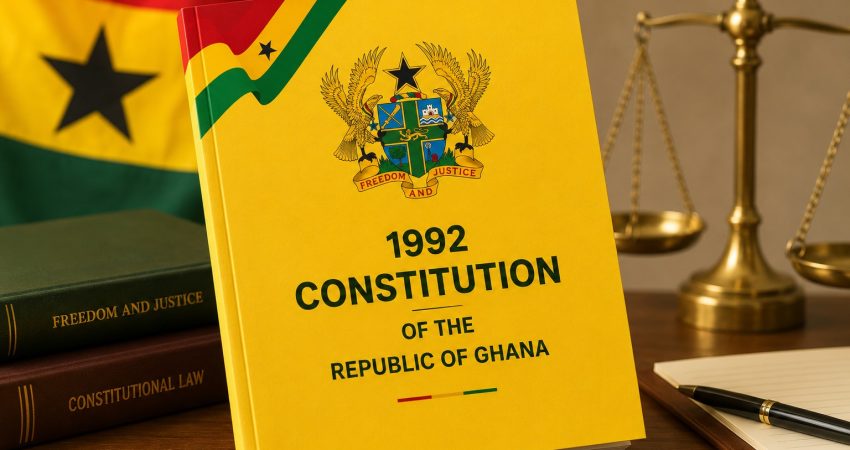
  • Ayee, Osae-Kwapong Say Constituent Assembly Is Not Needed for 1992 Constitution Review

    Ayee, Osae-Kwapong Say Constituent Assembly Is Not Needed for 1992 Constitution Review

    Two political scientists, Professor Joseph Atsu Ayee and Dr John Osae-Kwapong, have argued that Ghana does not need a Constituent Assembly to deliberate on proposed reforms to the 1992 Constitution.

    Their comments come amid renewed debate over how Ghana’s constitutional review process should proceed before proposed amendments are submitted for parliamentary consideration and, where required, a referendum.

    The two academics were responding to calls by the New Patriotic Party (NPP) for the establishment of a Constituent Assembly to consider the proposed reforms and help build what the party describes as broader national consensus.

    Ayee: Ghana is amending, not writing a new Constitution

    Professor Atsu Ayee said a Constituent Assembly was unnecessary because the current exercise involves reviewing and amending the existing 1992 Constitution rather than drafting an entirely new constitution.

    He pointed to the amendment procedures already provided for under the Constitution, including the different processes applicable to entrenched and non-entrenched provisions.

    According to Prof. Ayee, maintaining the established constitutional procedures and timelines is important to keeping the reform process on course.

    He also noted that some issues remain contentious within the reform debate, including proposals relating to the presidential term of office and the President’s appointment powers.

    Osae-Kwapong backs continued consultation

    Dr John Osae-Kwapong acknowledged concerns about Ghana’s constitutional reform process but said he did not support the creation of a Constituent Assembly.

    He argued that the existing review process has already created opportunities for public consultation and can continue to do so.

    The Constitution Review Committee conducted consultations with citizens and engaged professional organisations, former presidents and other stakeholders during its work. The Committee subsequently submitted its report and proposals to President John Dramani Mahama.

    Dr Osae-Kwapong also pointed to the referendum requirement for amendments affecting entrenched provisions, saying this provides another opportunity for citizens to participate directly in deciding the proposed changes.

    NPP calls for Constituent Assembly

    The discussion follows a proposal by the New Patriotic Party for government to establish a Constituent Assembly before the proposed constitutional amendments are taken to a referendum.

    The party has argued that such an assembly could bring together representatives from political parties, organised labour, professional groups, traditional authorities, religious organisations, women, persons with disabilities, students, young people, the private sector, civil society and Ghana’s regions.

    The proposal is part of a broader debate over whether the existing constitutional review process provides sufficient national consensus before the proposed reforms move to the next stage.

    Constitutional reform process

    The current debate follows the work of the Constitution Review Committee, which conducted nationwide consultations before submitting its final report.

    The Presidency published the Committee’s 2025 report and proposals for amendments to the 1992 Constitution on July 30, 2026. Government also subsequently published its position paper on the Committee’s recommendations.

    The proposed reforms cover a range of issues concerning Ghana’s governance and constitutional arrangements. Some proposed changes to entrenched provisions would require a referendum under the Constitution, while other amendments follow a parliamentary process.

    What happens next?

    The disagreement over a Constituent Assembly reflects a wider question about how Ghana should build consensus around constitutional reform.

    While the NPP is advocating an additional representative body before the referendum stage, Prof. Ayee and Dr Osae-Kwapong argue that the existing constitutional amendment process and consultations provide a sufficient framework.

    The final direction of the reform process will depend on decisions by the relevant state institutions and the constitutional procedures governing each proposed amendment.

    Source:

    ModernGhana — 1992 Constitution review: Prof. Atsu Ayee and Dr Osae-Kwapong explain why Constituent Assembly not necessary

  • Mahama: I Never Said I Would Declare State of Emergency to Fight Galamsey

    Mahama: I Never Said I Would Declare State of Emergency to Fight Galamsey

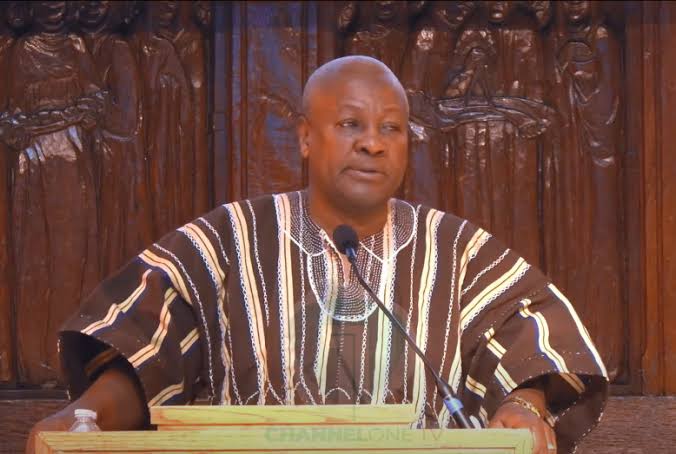
    President John Dramani Mahama has clarified that he never said his government would declare a state of emergency to deal with illegal mining, popularly known as galamsey.

    Speaking during a town hall meeting with members of the Ghanaian community in New York on Friday, September 25, the President said a state of emergency remains an option available to government but should only be considered when other measures have proved inadequate.

    “They said I said a state of emergency. I never ever said that. I never ever said I’ll declare a state of emergency,” President Mahama said.

    Mahama explains his position

    The President explained that emergency powers can be useful when dealing with serious national challenges, but they are generally intended to address specific crises for a limited period.

    He questioned whether declaring a state of emergency would be the most practical approach to Ghana’s galamsey problem, given that illegal mining activities are spread across several parts of the country.

    According to him, such powers are more effective when applied to a clearly defined area, allowing government and security agencies to concentrate resources there until the problem is brought under control.

    He said the measure could then be lifted once the situation had been addressed.

    Government relying on targeted operations

    President Mahama said government already has the legal authority needed to take action against illegal mining and is using targeted operations in areas identified as major galamsey hotspots.

    He maintained that the government’s approach is focused on dealing with the problem at specific locations rather than immediately resorting to a nationwide state of emergency.

    The President also acknowledged the difficulty of tackling illegal mining, particularly because of its spread across different regions and communities.

    Nine forest reserves cleared, Mahama says

    As part of the government’s ongoing efforts, President Mahama said nine forest reserves affected by illegal mining had been cleared of illegal miners.

    He explained that government had also changed its approach to preventing illegal miners from returning after security operations.

    According to the President, the military would previously clear affected areas and hand them back to forest guards, only for illegal miners to return after the soldiers had left.

    He said the government is now maintaining military camps in some reclaimed forest reserves to provide a continued security presence and prevent renewed encroachment.

    Focus also on Ghana’s rivers

    President Mahama further highlighted government’s efforts to tackle illegal mining on Ghana’s water bodies.

    He said water guards had been deployed and that operations had been carried out against illegal mining equipment, including changfan machines operating on the Ankobra River.

    However, he noted that dealing with illegal mining on the main river alone would not be enough, because several tributaries also feed into the river.

    The President said government would therefore need to broaden its interventions to cover the tributaries and other areas contributing to the problem.

    State of emergency remains a last resort

    While ruling out any claim that he had announced plans to declare a state of emergency, President Mahama stressed that emergency powers remain available to government if circumstances warrant their use.

    His comments come amid renewed public debate over how aggressively government should respond to the continuing impact of illegal mining on Ghana’s forests, rivers and communities.

    For now, the administration says it is pursuing targeted enforcement operations, security deployments and measures aimed at preventing illegal miners from returning to reclaimed areas.

    Source: ModernGhana

  • President Mahama Announces 1,200MW Gas Power Plant to Surpass Akosombo

    President Mahama Announces 1,200MW Gas Power Plant to Surpass Akosombo

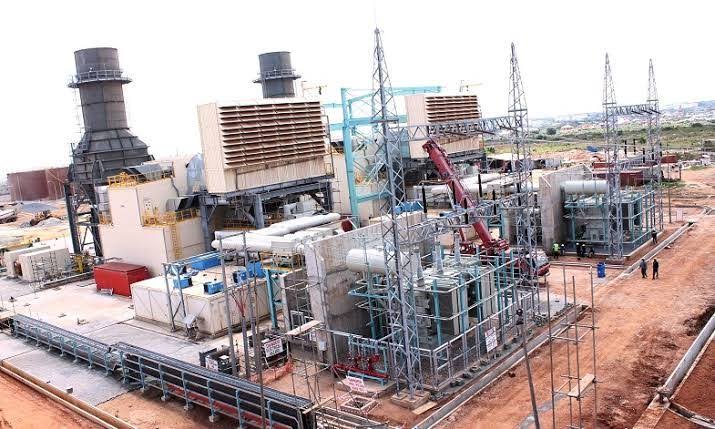
    Ghana is preparing to add a major new source of electricity generation, with President John Dramani Mahama announcing plans for government to sign an agreement before the end of 2026 for the construction of a 1,200-megawatt (MW) state-owned gas-fired thermal power plant.

    President Mahama made the announcement on Friday, September 25, during a town hall meeting with members of the Ghanaian community in New York.

    If completed at the proposed capacity, the facility would become Ghana’s largest single power-generating facility by installed capacity, exceeding the 1,020MW installed capacity of the Akosombo Hydroelectric Power Station.

    A plant larger than Akosombo

    The proposed 1,200MW plant would represent a significant addition to Ghana’s electricity-generation infrastructure.

    Akosombo currently has an installed capacity of approximately 1,020MW, meaning the proposed gas-fired facility would have about 180MW more installed capacity.

    President Mahama said the project is part of government’s efforts to strengthen Ghana’s power-generation capacity and provide the electricity required to support economic activity.

    The announcement follows earlier statements from government about plans to develop a 1,200MW gas-fired power facility. In July, Finance Minister Dr Cassiel Ato Forson said government was developing a state-owned combined-cycle gas-fired power plant and that preparatory work was underway.

    Government targets agreement before end of 2026

    President Mahama’s latest announcement focuses on the agreement for the project.

    According to reports of his New York town hall, government expects to conclude the agreement before the end of 2026.

    The President also said independent power producers could add approximately 500MW of additional generation capacity, while government is pursuing its own state-owned generation project.

    The proposed project therefore forms part of a broader effort to increase Ghana’s available electricity supply as demand continues to grow.

    President reports progress in energy sector

    During the town hall, President Mahama also highlighted developments in Ghana’s energy sector.

    He said government had cleared energy-sector debts and reorganised the Electricity Company of Ghana’s (ECG) payment and collection arrangements, with the aim of ensuring that power generators receive payments more efficiently.

    President Mahama also reported that Ghana’s oil production has increased by almost 38 per cent since 2025.

    New oil and gas investment

    The announcement comes against the backdrop of increased investment in Ghana’s upstream petroleum sector.

    The Presidency previously announced a combined US$3.5 billion in planned investment associated with Ghana’s oil and gas industry, including US$2 billion from the Jubilee Partners and US$1.5 billion from Eni and its partners in the Offshore Cape Three Points (OCTP) project.

    Government has linked increased domestic gas availability and investment in the petroleum sector to efforts to improve Ghana’s energy security.

    What the project could mean for Ghana

    If the proposed 1,200MW facility is completed, it would significantly increase Ghana’s installed generation capacity and become the country’s largest single generating facility by capacity.

    However, the project remains at the development and agreement stage. The government still needs to conclude the proposed agreement and proceed through the necessary project-development, financing, construction and commissioning stages before the additional generation capacity becomes available.

    For now, the key immediate milestone is government’s stated intention to sign the agreement before the end of 2026.

    MBOS Media will continue to follow developments around the proposed power plant, Ghana’s electricity supply and investments in the country’s energy sector.

    Sources
    MyJoyOnline — Government to sign 1,200MW gas power deal before end of 2026 – Mahama

  • Public Transport Fares Rise 8% Nationwide as New Rates Take Effect

    Public Transport Fares Rise 8% Nationwide as New Rates Take Effect

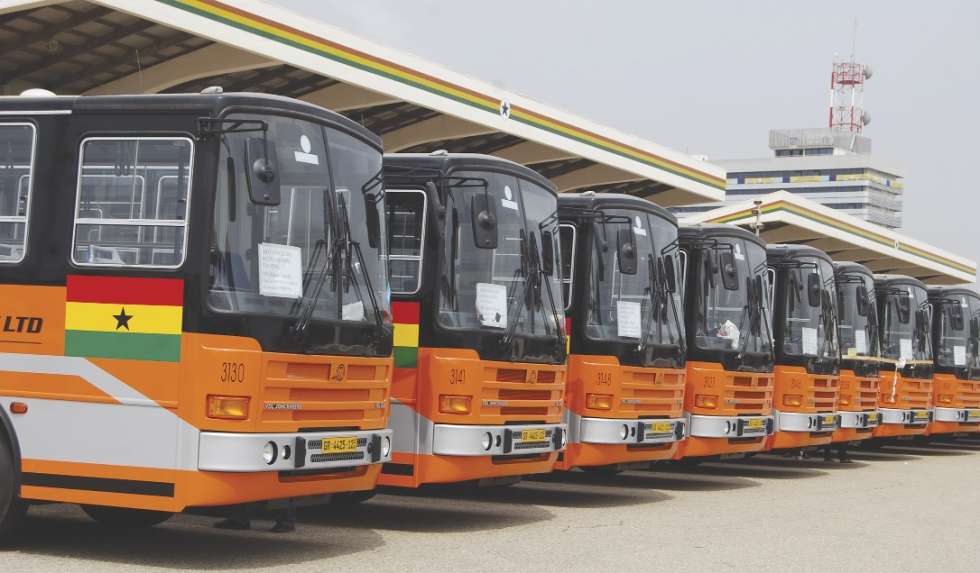
    Public transport fares across Ghana have increased by 8 per cent, with the new rates taking effect today, Saturday, September 26, 2026.

    The adjustment affects shared taxis, intra-city trotros, inter-city long-distance services and haulage, following an agreement reached between the Ghana Private Road Transport Union (GPRTU), the Ghana Road Transport Coordinating Council (GRTCC) and the Ministry of Transport.

    The new fares were agreed after consultations between transport operators and the Ministry of Transport held from September 8 to 22, 2026.

    Why transport fares have increased

    The GPRTU and GRTCC said the adjustment was based on changes in several operating costs, including petroleum prices, spare parts, vehicle maintenance and other inputs required by commercial transport operators.

    According to the Information Services Department, the unions also considered the financial pressures facing drivers and commuters before settling on the 8 per cent adjustment.

    The latest increase is lower than the larger adjustment initially proposed by transport operators during the negotiations.

    The GPRTU had initially pushed for a significantly higher increase as it sought to respond to rising operational costs. Following discussions with government, however, the parties agreed on the 8 per cent adjustment.

    How much will passengers pay?

    Under the revised schedule, passengers who previously paid GH¢5 for a trotro journey will now pay GH¢5.50, while a GH¢10 fare increases to GH¢11.

    A passenger who previously paid GH¢15 will now pay GH¢16.20, while a GH¢20 fare rises to GH¢21.60.

    At the higher end of the published intra-city fare schedule, a fare of GH¢34 increases to GH¢36.80.

    The revised rates also cover shared taxis and inter-city services, with the exact fare depending on the route and distance.

    Operators directed to display approved fares

    The transport unions have directed commercial operators to strictly comply with the approved fares and display the new schedule prominently at loading terminals and stations.

    The unions have also warned operators against charging passengers above the approved rates, stating that violations could attract sanctions.

    Passengers are therefore encouraged to check the approved fare for their particular route and distance rather than automatically accepting a higher charge.

    Government intervention on diesel

    The transport unions acknowledged government intervention on diesel prices during the negotiations.

    According to the ISD report, the unions said the intervention helped moderate the extent of the eventual fare adjustment.

    The agreement follows weeks of discussions over how changes in fuel and other operating costs should be reflected in public transport fares.

    What commuters should know

    The new fares are effective nationwide from Saturday, September 26, 2026.

    For commuters, the practical impact will depend on the route they use and how frequently they travel. Passengers who make several journeys each day will see the cumulative effect of the adjustment in their daily transport expenses.

    The revised fare schedule is therefore expected to become an important reference for both passengers and commercial transport operators as the new rates come into force.

    MBOS Media will continue to monitor the implementation of the new fares and report developments affecting commuters and transport operators across Ghana.

    Source: Ghana Information Services Department (ISD) — Official statement

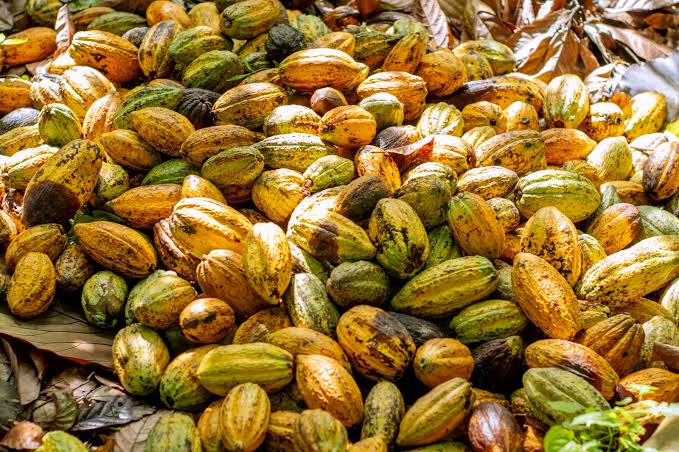
  • Ghana Sets New Cocoa Producer Price at GH¢42,400 for 2026/27 Season

    Ghana Sets New Cocoa Producer Price at GH¢42,400 for 2026/27 Season

    Ghana has opened the 2026/27 cocoa season with a new producer price of GH¢42,400 per tonne, representing an increase of GH¢1,008 from the GH¢41,392 per tonne paid during the 2025/26 season.

    The revised price took effect on Friday, September 25, 2026, as the new cocoa season officially opened.

    The new rate means cocoa farmers will receive GH¢2,650 for a 64-kilogramme bag, compared with GH¢2,587 under the previous producer price.

    New pricing framework

    According to the Ghana Cocoa Board (COCOBOD), the GH¢42,400 producer price represents 71.18 per cent of the realised gross Free-On-Board (FOB) value of cocoa.

    The pricing decision follows consultations involving key stakeholders in the cocoa industry and comes under reforms introduced through the Ghana Cocoa Board Act, 2026 (Act 1182).

    The new law provides that cocoa farmers should receive a minimum of 70 per cent of the realised gross FOB price of cocoa.

    COCOBOD says the reforms are intended to strengthen the financial and institutional sustainability of Ghana’s cocoa sector while improving returns to farmers.

    Support for cocoa farmers

    Beyond the producer price, COCOBOD says government will continue productivity programmes designed to reduce the cost of production and improve farm yields.

    These include the provision of free fertiliser, free hybrid cocoa seedlings and the Cocoa Disease and Pest Control Programme, according to the Board’s announcement.

    COCOBOD also expects the revised producer price to contribute to efforts to reduce cocoa smuggling by making official channels more attractive to farmers and other actors within the supply chain.

    Traceability and export requirements

    The new cocoa season is also beginning with Ghana’s cocoa traceability system fully deployed across cocoa-growing areas, according to COCOBOD.

    The Board says the Ghana Cocoa Traceability System (GCTS) is intended to support compliance with the European Union’s Deforestation Regulation, which is expected to take effect on December 30, 2026.

    COCOBOD says the system will help Ghana supply cocoa to the European Union market that can be traced through the supply chain and verified as deforestation-free and legally produced.

    What the new price means for farmers

    The increase of GH¢1,008 per tonne amounts to an increase of about 2.4 per cent compared with the previous producer price.

    While the adjustment raises the amount farmers receive for their cocoa, the new season also comes as Ghana undertakes broader reforms covering cocoa pricing, financing and management.

    COCOBOD has separately announced plans for a domestic cocoa financing programme, through which Cocoa Capital PLC intends to raise up to GH¢16.3 billion to finance cocoa purchases for the 2026/27 season and refinance existing obligations.

    The 2026/27 cocoa season therefore begins amid changes intended to reshape how Ghana finances, prices and manages one of the country’s most important agricultural commodities.

    Source: Ghana Cocoa Board (COCOBOD), Review of the Producer Price of Cocoa for the 2026/27 Cocoa Season, September 25, 2026.

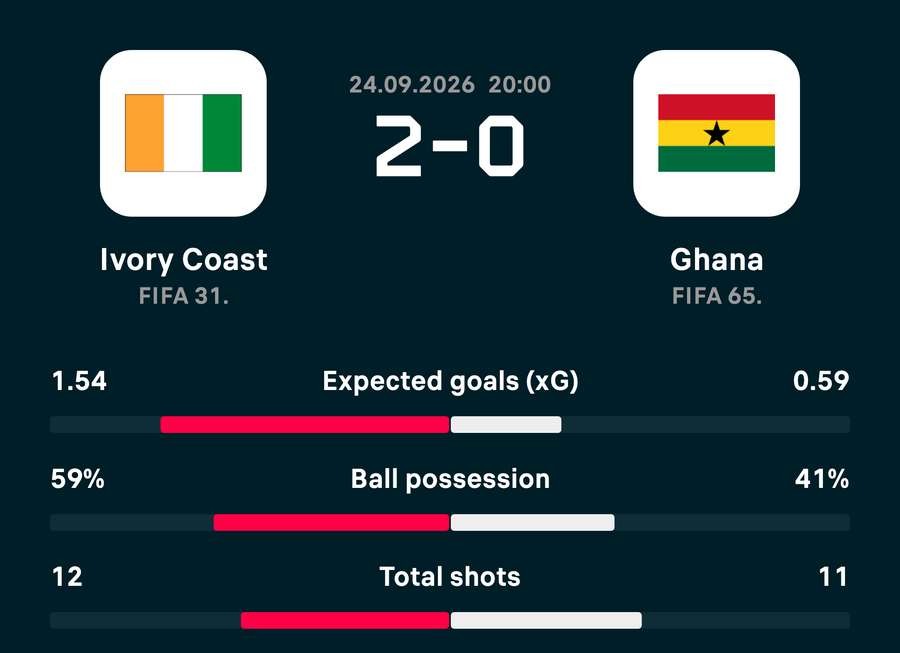
  • Black Stars Open AFCON 2027 Qualifiers With 2-0 Defeat to Côte d’Ivoire

    Black Stars Open AFCON 2027 Qualifiers With 2-0 Defeat to Côte d’Ivoire

    Ghana’s Black Stars began their 2027 Africa Cup of Nations qualifying campaign with a 2-0 defeat to Côte d’Ivoire in Bouaké on Thursday night.

    The Group C encounter at the Stade de la Paix remained goalless for much of the first half before Côte d’Ivoire broke the deadlock shortly before the interval.

    Malick Yalcouyé found space on the edge of Ghana’s penalty area and fired past goalkeeper Lawrence Ati-Zigi to give the hosts a 1-0 lead.

    Ghana returned after the break looking for an equaliser, but their task became more difficult when Côte d’Ivoire were awarded a penalty following a foul involving Abdul Fatawu Issahaku and Yalcouyé.

    Captain Franck Kessié stepped up and converted the spot-kick to double the hosts’ advantage.

    Ghana search for a way back

    With the Black Stars trailing by two goals, head coach Carlos Queiroz made attacking changes as Ghana attempted to get back into the contest.

    Felix Afena-Gyan, Augustine Boakye and Benjamin Tetteh were introduced as Ghana pushed forward in search of a response.

    The Black Stars’ best opportunity came in the second half when Caleb Yirenkyi tested Côte d’Ivoire goalkeeper Yahia Fofana from inside the box, but the goalkeeper made the save to preserve the home side’s two-goal lead.

    According to analysis published by Citi Sports, Ghana did not register a shot on target until the 75th minute. The publication also highlighted difficulties in connecting midfield with attack and creating clear opportunities in the final third.

    Queiroz defends his team

    Despite the defeat, Carlos Queiroz said he was proud of the response from his players.

    Speaking after the match, the Ghana coach praised the team’s effort following the difficult moments in the game. 3News reported that Queiroz said the Black Stars showed a positive response despite eventually losing the match.

    The coach also questioned the penalty decision that led to Côte d’Ivoire’s second goal. 3News reported that Queiroz described the decision as controversial.

    Ghana now turn attention to The Gambia

    The defeat leaves Ghana without a point from their opening Group C fixture.

    The Black Stars will now return home for their next qualifier against The Gambia at the Accra Sports Stadium on Tuesday, September 29.

    The match will give Ghana an immediate opportunity to respond after the setback in Côte d’Ivoire.

    For Queiroz and his players, attention will now shift toward improving their attacking output and securing points on home soil as the qualification campaign continues.

    The opening defeat means Ghana will be looking to make a strong response in Accra when The Gambia arrive for the second Group C fixture.

    MBOS Sports Desk

    Sources: Ghana Football Association, 3News, Citi Sports and Al Jazeera.

    Source links:
    Ghana Football Association match report
    3News: Queiroz backs Ghana after defeat
    Citi Sports match analysis
    Al Jazeera match report

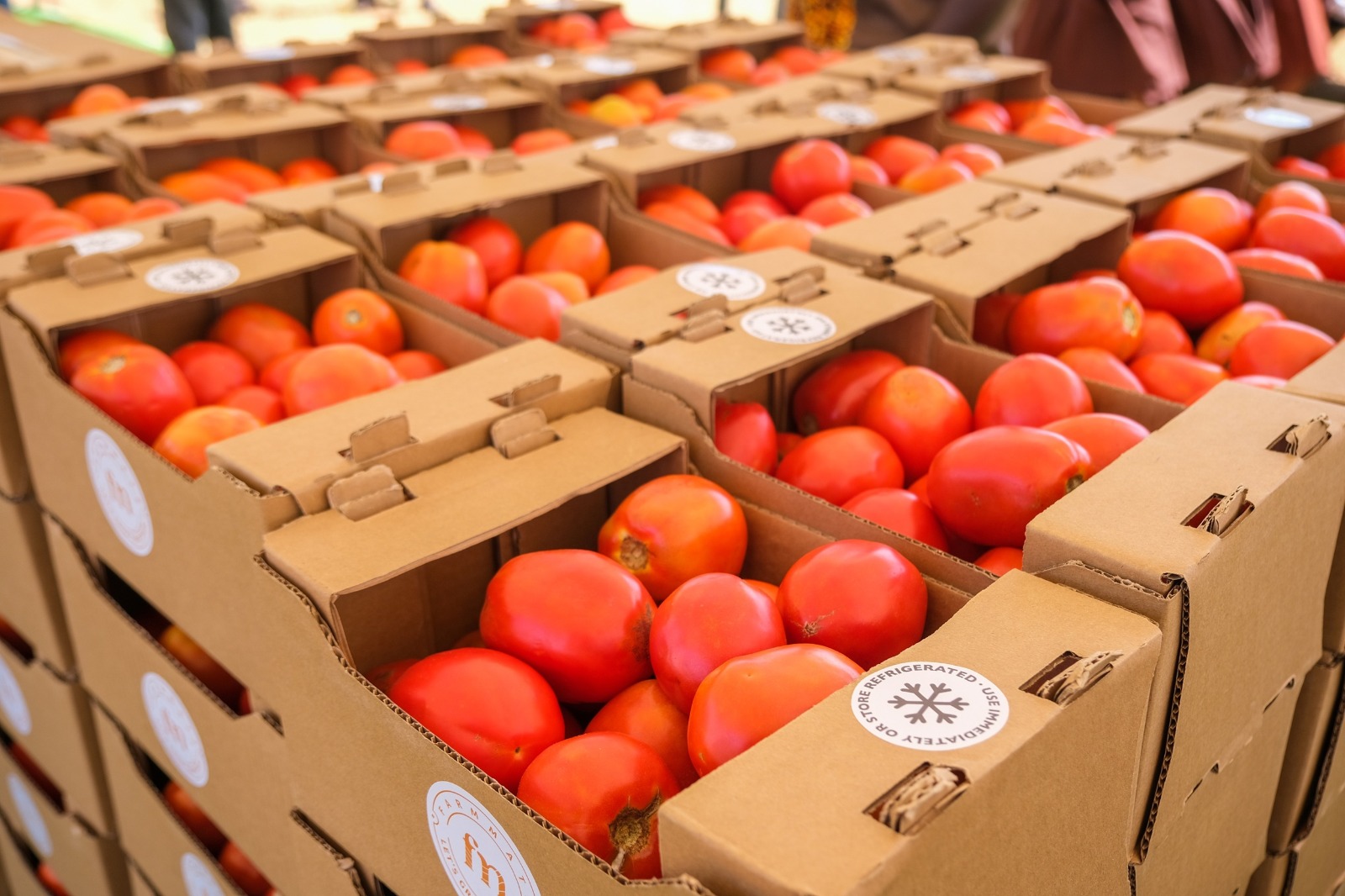
  • Ghana Targets 400,000 Tonnes of Tomatoes Under New Self-Sufficiency Drive

    Ghana Targets 400,000 Tonnes of Tomatoes Under New Self-Sufficiency Drive

    Ghana has launched a new initiative aimed at increasing local tomato production, reducing dependence on imported tomatoes and building a more reliable year-round supply for consumers.

    The Ghana Tomato Self-Sufficiency Initiative (GHATSI), launched in Anloga in the Volta Region on September 15, is targeting national tomato production of about 400,000 tonnes annually as part of efforts to strengthen Ghana’s agricultural sector and improve food security.

    The initiative is being implemented by the Ministry of Food and Agriculture (MoFA) in partnership with private-sector agricultural company FarmMate. The programme is expected to address challenges across the tomato value chain, including production, irrigation, financing, storage, processing, transportation and access to markets.

    According to MoFA, a processing facility at the Legon Enclave is expected to begin operations in September 2026, with an initial processing capacity of between 1.5 and 5 tonnes per hour. Plans are also underway for additional semi-processing facilities in tomato-producing areas.

    Processing could help address one of the industry’s longstanding problems: what happens to tomatoes when farmers produce more than the fresh market can absorb.

    Turning surplus tomatoes into purée and other processed products could extend their shelf life while creating additional markets for farmers.

    What GHATSI means for consumers

    For consumers, the success of the initiative could have implications beyond agriculture.

    Ghana’s tomato market has historically experienced periods of shortage and higher prices, particularly during seasons when local production falls.

    A more consistent supply could potentially reduce some of the pressure created by seasonal shortages, although the effect on consumer prices will depend on production levels, market conditions, transportation costs, processing capacity and other factors.

    The government’s broader objective is to move from a cycle in which Ghana experiences shortages at some times of the year and significant losses at others toward a more coordinated year-round tomato supply system.

    The road ahead

    GHATSI represents a significant attempt to address several challenges at once, from farm production and irrigation to finance, insurance, processing and market access.

    But the programme’s progress will ultimately depend on what happens beyond the launch.

    Farmers will need reliable access to water, quality seeds, technical support and markets. Buyers and processors will need consistent supplies. Storage and transportation systems will need to prevent produce from spoiling before it reaches consumers.

    The government’s 400,000-tonne annual target therefore represents more than a production figure. It will require coordination across the entire tomato value chain.

    As Ghana begins the first phase of the initiative, farmers, industry stakeholders and consumers will be watching closely to see whether the programme can translate its targets into increased production, lower losses and a more dependable supply of locally grown tomatoes.

    Sources: Ministry of Food and Agriculture; Ghana News Agency; Citi Newsroom.

    Ministry of Food and Agriculture report on GHATSI
    Ghana News Agency report on the 400,000-tonne target