
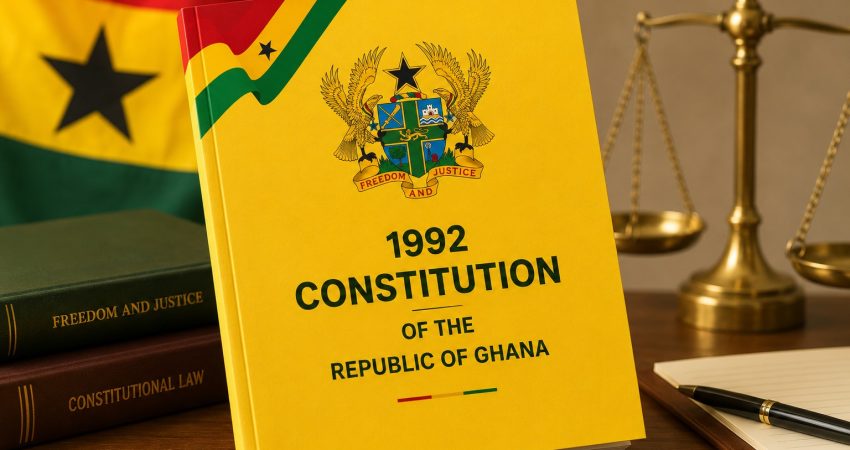
Two political scientists, Professor Joseph Atsu Ayee and Dr John Osae-Kwapong, have argued that Ghana does not need a Constituent Assembly to deliberate on proposed reforms to the 1992 Constitution.
Their comments come amid renewed debate over how Ghana’s constitutional review process should proceed before proposed amendments are submitted for parliamentary consideration and, where required, a referendum.
The two academics were responding to calls by the New Patriotic Party (NPP) for the establishment of a Constituent Assembly to consider the proposed reforms and help build what the party describes as broader national consensus.
Ayee: Ghana is amending, not writing a new Constitution
Professor Atsu Ayee said a Constituent Assembly was unnecessary because the current exercise involves reviewing and amending the existing 1992 Constitution rather than drafting an entirely new constitution.
He pointed to the amendment procedures already provided for under the Constitution, including the different processes applicable to entrenched and non-entrenched provisions.
According to Prof. Ayee, maintaining the established constitutional procedures and timelines is important to keeping the reform process on course.
He also noted that some issues remain contentious within the reform debate, including proposals relating to the presidential term of office and the President’s appointment powers.
Osae-Kwapong backs continued consultation
Dr John Osae-Kwapong acknowledged concerns about Ghana’s constitutional reform process but said he did not support the creation of a Constituent Assembly.
He argued that the existing review process has already created opportunities for public consultation and can continue to do so.
The Constitution Review Committee conducted consultations with citizens and engaged professional organisations, former presidents and other stakeholders during its work. The Committee subsequently submitted its report and proposals to President John Dramani Mahama.
Dr Osae-Kwapong also pointed to the referendum requirement for amendments affecting entrenched provisions, saying this provides another opportunity for citizens to participate directly in deciding the proposed changes.
NPP calls for Constituent Assembly
The discussion follows a proposal by the New Patriotic Party for government to establish a Constituent Assembly before the proposed constitutional amendments are taken to a referendum.
The party has argued that such an assembly could bring together representatives from political parties, organised labour, professional groups, traditional authorities, religious organisations, women, persons with disabilities, students, young people, the private sector, civil society and Ghana’s regions.
The proposal is part of a broader debate over whether the existing constitutional review process provides sufficient national consensus before the proposed reforms move to the next stage.
Constitutional reform process
The current debate follows the work of the Constitution Review Committee, which conducted nationwide consultations before submitting its final report.
The Presidency published the Committee’s 2025 report and proposals for amendments to the 1992 Constitution on July 30, 2026. Government also subsequently published its position paper on the Committee’s recommendations.
The proposed reforms cover a range of issues concerning Ghana’s governance and constitutional arrangements. Some proposed changes to entrenched provisions would require a referendum under the Constitution, while other amendments follow a parliamentary process.
What happens next?
The disagreement over a Constituent Assembly reflects a wider question about how Ghana should build consensus around constitutional reform.
While the NPP is advocating an additional representative body before the referendum stage, Prof. Ayee and Dr Osae-Kwapong argue that the existing constitutional amendment process and consultations provide a sufficient framework.
The final direction of the reform process will depend on decisions by the relevant state institutions and the constitutional procedures governing each proposed amendment.