
Tag: Ghana Politics

  • Ayee, Osae-Kwapong Say Constituent Assembly Is Not Needed for 1992 Constitution Review

    Ayee, Osae-Kwapong Say Constituent Assembly Is Not Needed for 1992 Constitution Review

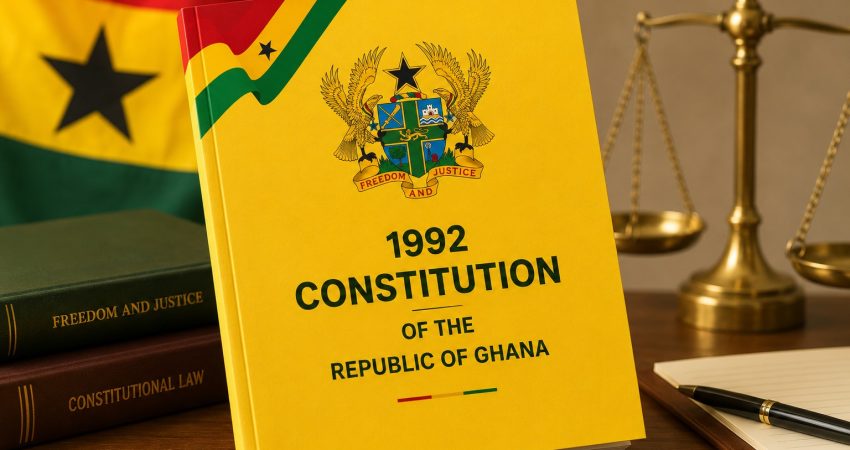
    Two political scientists, Professor Joseph Atsu Ayee and Dr John Osae-Kwapong, have argued that Ghana does not need a Constituent Assembly to deliberate on proposed reforms to the 1992 Constitution.

    Their comments come amid renewed debate over how Ghana’s constitutional review process should proceed before proposed amendments are submitted for parliamentary consideration and, where required, a referendum.

    The two academics were responding to calls by the New Patriotic Party (NPP) for the establishment of a Constituent Assembly to consider the proposed reforms and help build what the party describes as broader national consensus.

    Ayee: Ghana is amending, not writing a new Constitution

    Professor Atsu Ayee said a Constituent Assembly was unnecessary because the current exercise involves reviewing and amending the existing 1992 Constitution rather than drafting an entirely new constitution.

    He pointed to the amendment procedures already provided for under the Constitution, including the different processes applicable to entrenched and non-entrenched provisions.

    According to Prof. Ayee, maintaining the established constitutional procedures and timelines is important to keeping the reform process on course.

    He also noted that some issues remain contentious within the reform debate, including proposals relating to the presidential term of office and the President’s appointment powers.

    Osae-Kwapong backs continued consultation

    Dr John Osae-Kwapong acknowledged concerns about Ghana’s constitutional reform process but said he did not support the creation of a Constituent Assembly.

    He argued that the existing review process has already created opportunities for public consultation and can continue to do so.

    The Constitution Review Committee conducted consultations with citizens and engaged professional organisations, former presidents and other stakeholders during its work. The Committee subsequently submitted its report and proposals to President John Dramani Mahama.

    Dr Osae-Kwapong also pointed to the referendum requirement for amendments affecting entrenched provisions, saying this provides another opportunity for citizens to participate directly in deciding the proposed changes.

    NPP calls for Constituent Assembly

    The discussion follows a proposal by the New Patriotic Party for government to establish a Constituent Assembly before the proposed constitutional amendments are taken to a referendum.

    The party has argued that such an assembly could bring together representatives from political parties, organised labour, professional groups, traditional authorities, religious organisations, women, persons with disabilities, students, young people, the private sector, civil society and Ghana’s regions.

    The proposal is part of a broader debate over whether the existing constitutional review process provides sufficient national consensus before the proposed reforms move to the next stage.

    Constitutional reform process

    The current debate follows the work of the Constitution Review Committee, which conducted nationwide consultations before submitting its final report.

    The Presidency published the Committee’s 2025 report and proposals for amendments to the 1992 Constitution on July 30, 2026. Government also subsequently published its position paper on the Committee’s recommendations.

    The proposed reforms cover a range of issues concerning Ghana’s governance and constitutional arrangements. Some proposed changes to entrenched provisions would require a referendum under the Constitution, while other amendments follow a parliamentary process.

    What happens next?

    The disagreement over a Constituent Assembly reflects a wider question about how Ghana should build consensus around constitutional reform.

    While the NPP is advocating an additional representative body before the referendum stage, Prof. Ayee and Dr Osae-Kwapong argue that the existing constitutional amendment process and consultations provide a sufficient framework.

    The final direction of the reform process will depend on decisions by the relevant state institutions and the constitutional procedures governing each proposed amendment.
    Source:

    ModernGhana — 1992 Constitution review: Prof. Atsu Ayee and Dr Osae-Kwapong explain why Constituent Assembly not necessary

  • Mahama: I Never Said I Would Declare State of Emergency to Fight Galamsey

    Mahama: I Never Said I Would Declare State of Emergency to Fight Galamsey

    President John Dramani Mahama has clarified that he never said his government would declare a state of emergency to deal with illegal mining, popularly known as galamsey.

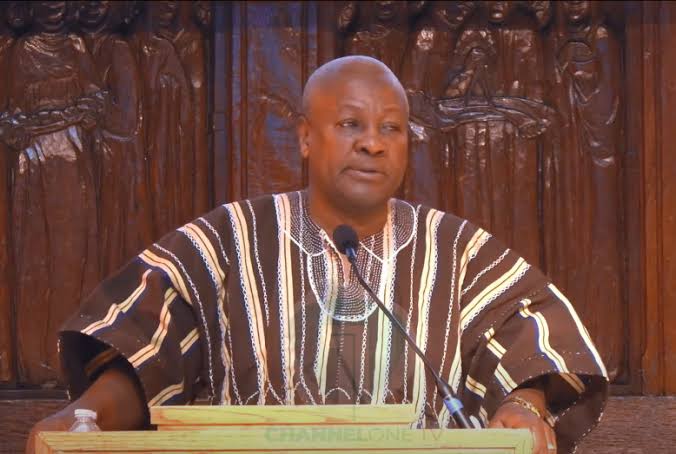
    Speaking during a town hall meeting with members of the Ghanaian community in New York on Friday, September 25, the President said a state of emergency remains an option available to government but should only be considered when other measures have proved inadequate.

    “They said I said a state of emergency. I never ever said that. I never ever said I’ll declare a state of emergency,” President Mahama said.

    Mahama explains his position

    The President explained that emergency powers can be useful when dealing with serious national challenges, but they are generally intended to address specific crises for a limited period.

    He questioned whether declaring a state of emergency would be the most practical approach to Ghana’s galamsey problem, given that illegal mining activities are spread across several parts of the country.

    According to him, such powers are more effective when applied to a clearly defined area, allowing government and security agencies to concentrate resources there until the problem is brought under control.

    He said the measure could then be lifted once the situation had been addressed.

    Government relying on targeted operations

    President Mahama said government already has the legal authority needed to take action against illegal mining and is using targeted operations in areas identified as major galamsey hotspots.

    He maintained that the government’s approach is focused on dealing with the problem at specific locations rather than immediately resorting to a nationwide state of emergency.

    The President also acknowledged the difficulty of tackling illegal mining, particularly because of its spread across different regions and communities.

    Nine forest reserves cleared, Mahama says

    As part of the government’s ongoing efforts, President Mahama said nine forest reserves affected by illegal mining had been cleared of illegal miners.

    He explained that government had also changed its approach to preventing illegal miners from returning after security operations.

    According to the President, the military would previously clear affected areas and hand them back to forest guards, only for illegal miners to return after the soldiers had left.

    He said the government is now maintaining military camps in some reclaimed forest reserves to provide a continued security presence and prevent renewed encroachment.

    Focus also on Ghana’s rivers

    President Mahama further highlighted government’s efforts to tackle illegal mining on Ghana’s water bodies.

    He said water guards had been deployed and that operations had been carried out against illegal mining equipment, including changfan machines operating on the Ankobra River.

    However, he noted that dealing with illegal mining on the main river alone would not be enough, because several tributaries also feed into the river.

    The President said government would therefore need to broaden its interventions to cover the tributaries and other areas contributing to the problem.

    State of emergency remains a last resort

    While ruling out any claim that he had announced plans to declare a state of emergency, President Mahama stressed that emergency powers remain available to government if circumstances warrant their use.

    His comments come amid renewed public debate over how aggressively government should respond to the continuing impact of illegal mining on Ghana’s forests, rivers and communities.

    For now, the administration says it is pursuing targeted enforcement operations, security deployments and measures aimed at preventing illegal miners from returning to reclaimed areas.

    Source: ModernGhana